Looking for railway ancillary buildings ?
Any practical usage for railway ancillary buildings? How to determine the quantity and size when planning the construction?
Railway ancillary buildings include the emergency rescue facilities that constructed in accordance with the fire safety guidelines, as well as those facilities in non-public areas built along the railways to meet various operational needs, which include power supply, ventilation, substations and mechanical and electrical plant facilities.
We will take into account the relevant statutory requirements when formulating the quantity, scale, specification, design and construction method of ancillary buildings, such as the specific standards relating to the distance, area, height for emergency rescue facilities and emergency access for rescue vehicles stipulated in the aforementioned fire safety guidelines. Besides, it is necessary to conduct assessments on future railway operation and its long-term developments, including passenger and traffic safety, passenger experience, potential impact on the surrounding environment and communities, as well as feedback from relevant stakeholders.
Let’s take a look at the examples of the proposed railway ancillary buildings of the Northern Link to understand the purposes and their design and construction considerations:
| Examples of proposed ancillary buildings and facilities | Purposes | Examples of design and construction considerations |
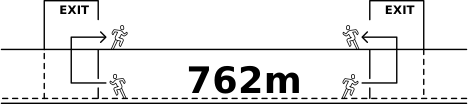
Emergency Egress Point |
Enable detrained passengers to leave the trackside area safely and reach the safe location on open ground in case of an emergency. |
Statutory requirement:
|
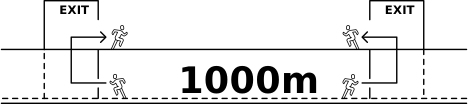
Emergency Access Point |
Allow emergency personnel to access the trackside area from the road or ground in case of an emergency like train fault or fire. |
Statutory requirement:
|
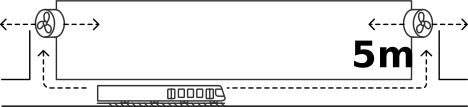
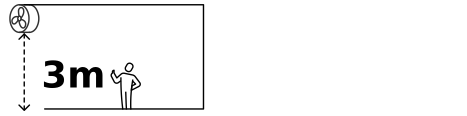
Ventilation Facilities |
In line with the Tunnel Environmental Control System, ventilation facilities help maintain appropriate temperature and humidity inside the railway tunnel, ensuring the air quality in stations and trains. Under normal circumstances, the ventilation system operates with the "piston effect". When the train is moving in the tunnels, air will be expelled through the ventilation openings ahead, while fresh ambient air is drawn in from the ventilation openings behind the train. Under an emergency situation, when the train is halted, the emergency fans at the ventilation openings will be in operation as needed to maintain air circulation inside the tunnel. |
Statutory requirement:
Potential impact on the surrounding environment and community:
|
Stabling Sidings |
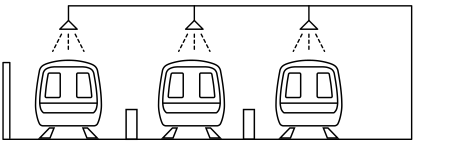
Facilitate stabling of trains during non-operational hours in line with train frequency and conduct regular inspection and cleaning. |
Railway operation and development:
Potential impact on the surrounding environment and community:
|


-
Reduction in Scale
-

Integration with Above-ground and Surrounding Environment
-

Green Design Adoption
-

Provision of Additional Function
For example, when planning the design of various proposed railway ancillary buildings, the Northern Link project team will take into consideration the characteristics of the current and future surrounding environment and community, aiming to integrate them into the surrounding environment as much as possible. We are also committed to applying sustainable building features to the design, and adopting suitable construction methods in line with the nearby unique surrounding environment such as natural habitats. The following shows some preliminary design ideas of the project team:
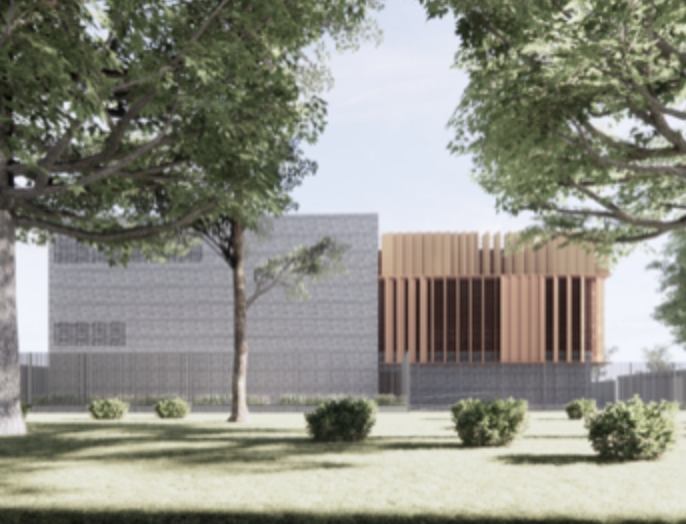
Rural Environment
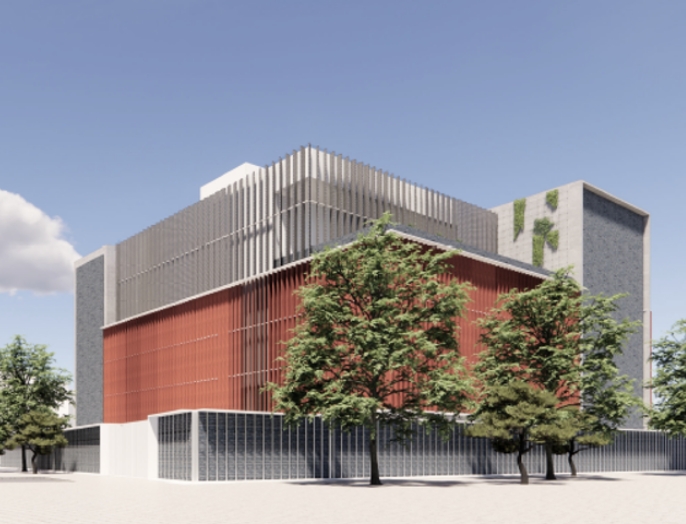
Residential Environment
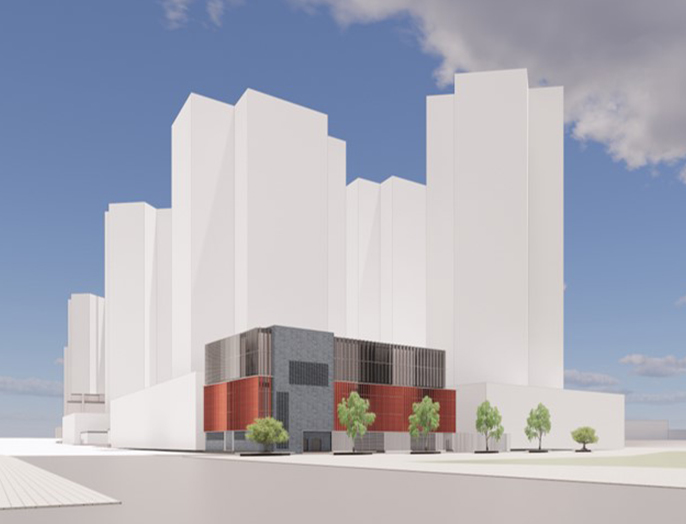
Urban Environment
During the Northern Link project team is working on the design of the railway ancillary buildings. Let’s take a look at the design considerations of the ventilation facilities in stations:
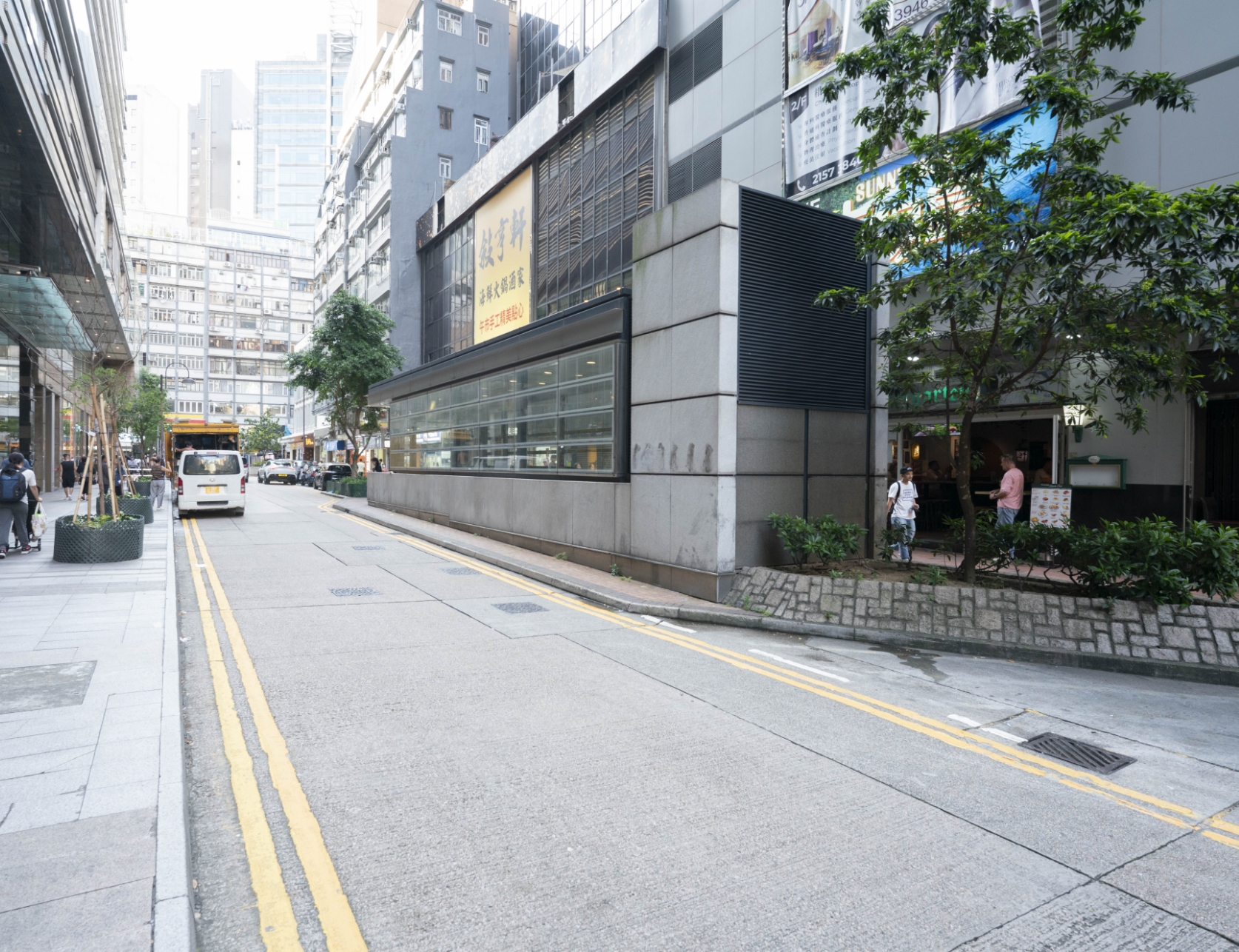
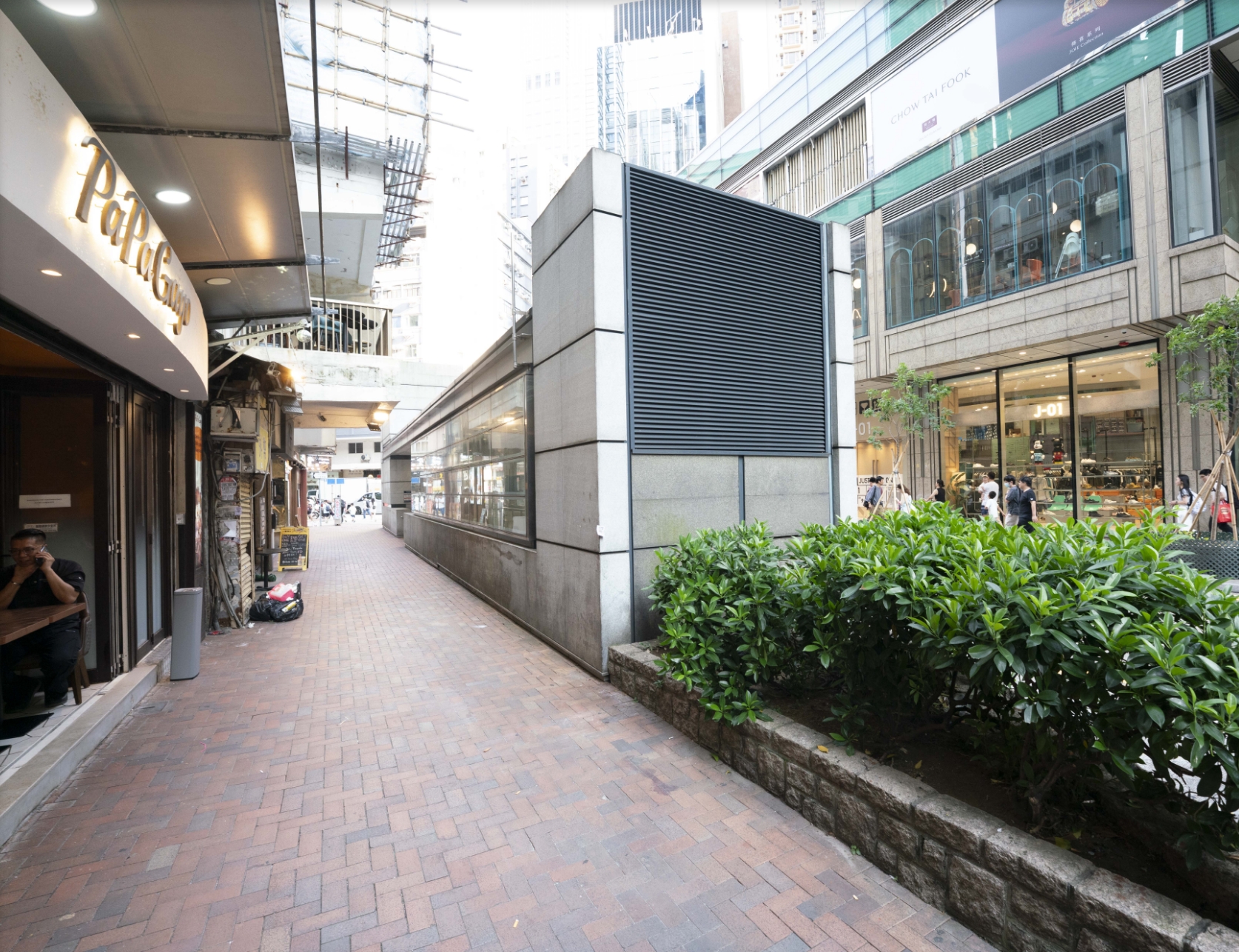
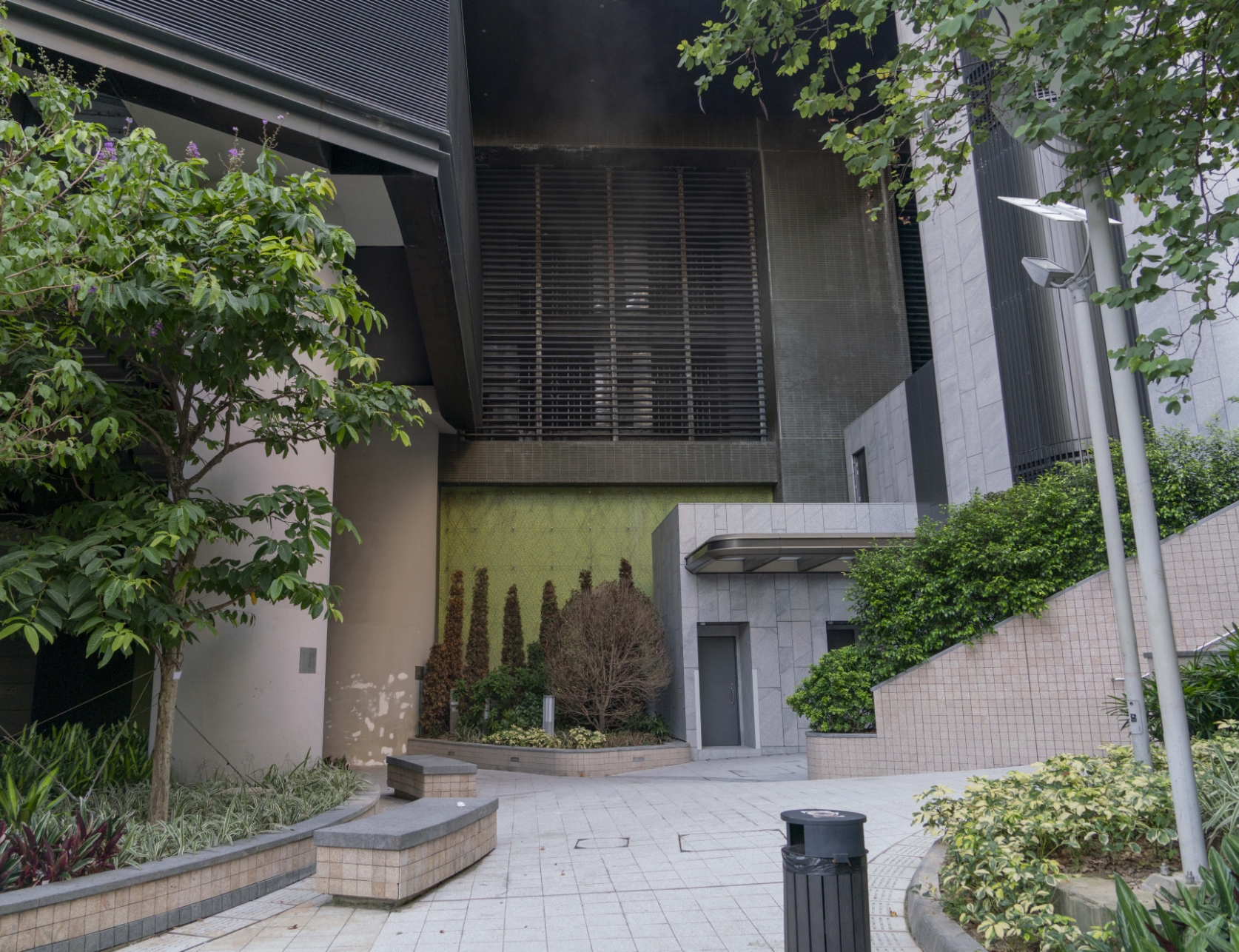

Tsim Sha Tsui Station
Reduce the scale of some ventilation facilities to enhance natural lighting and ventilation, and incorporate vegetation as part of the landscape design.


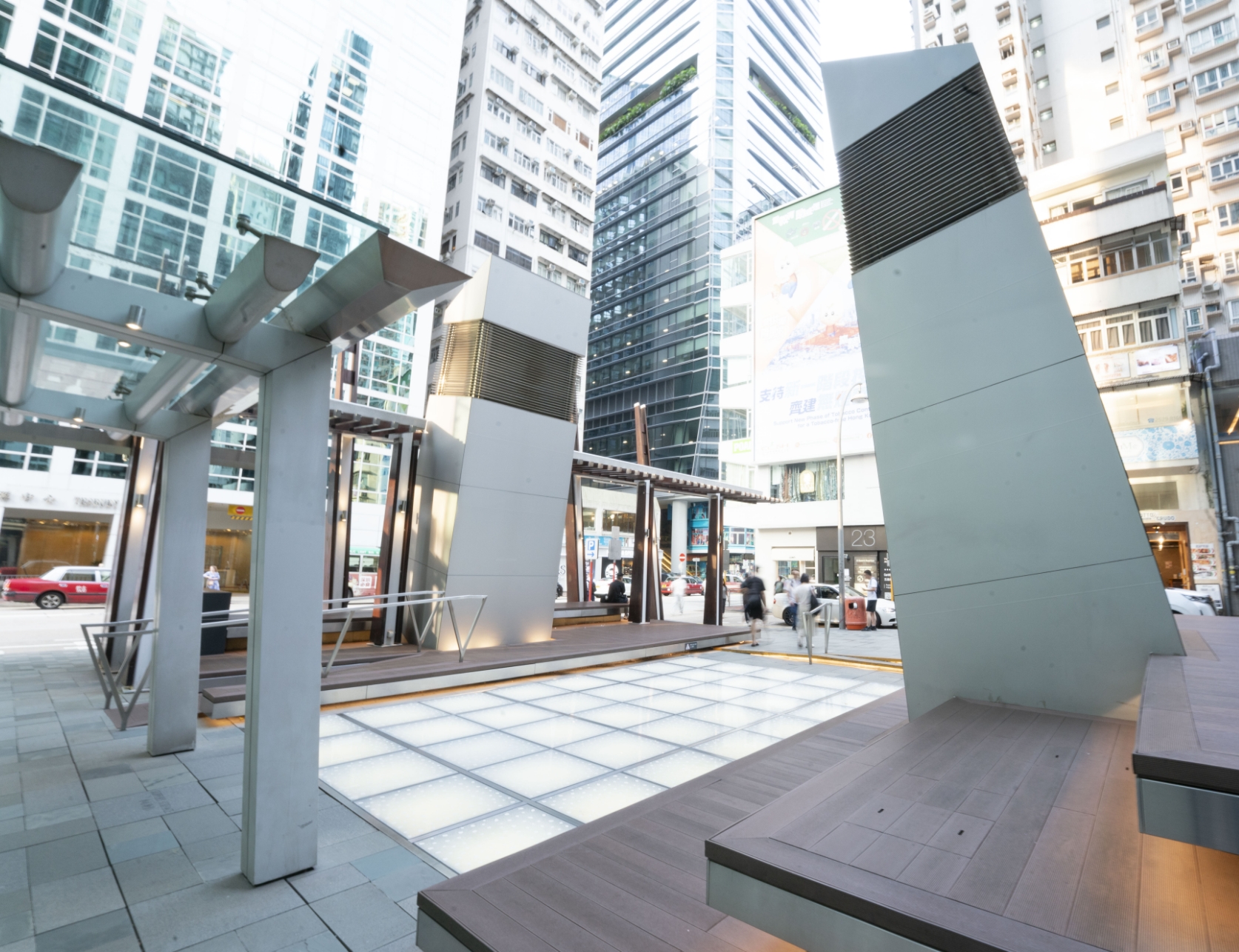
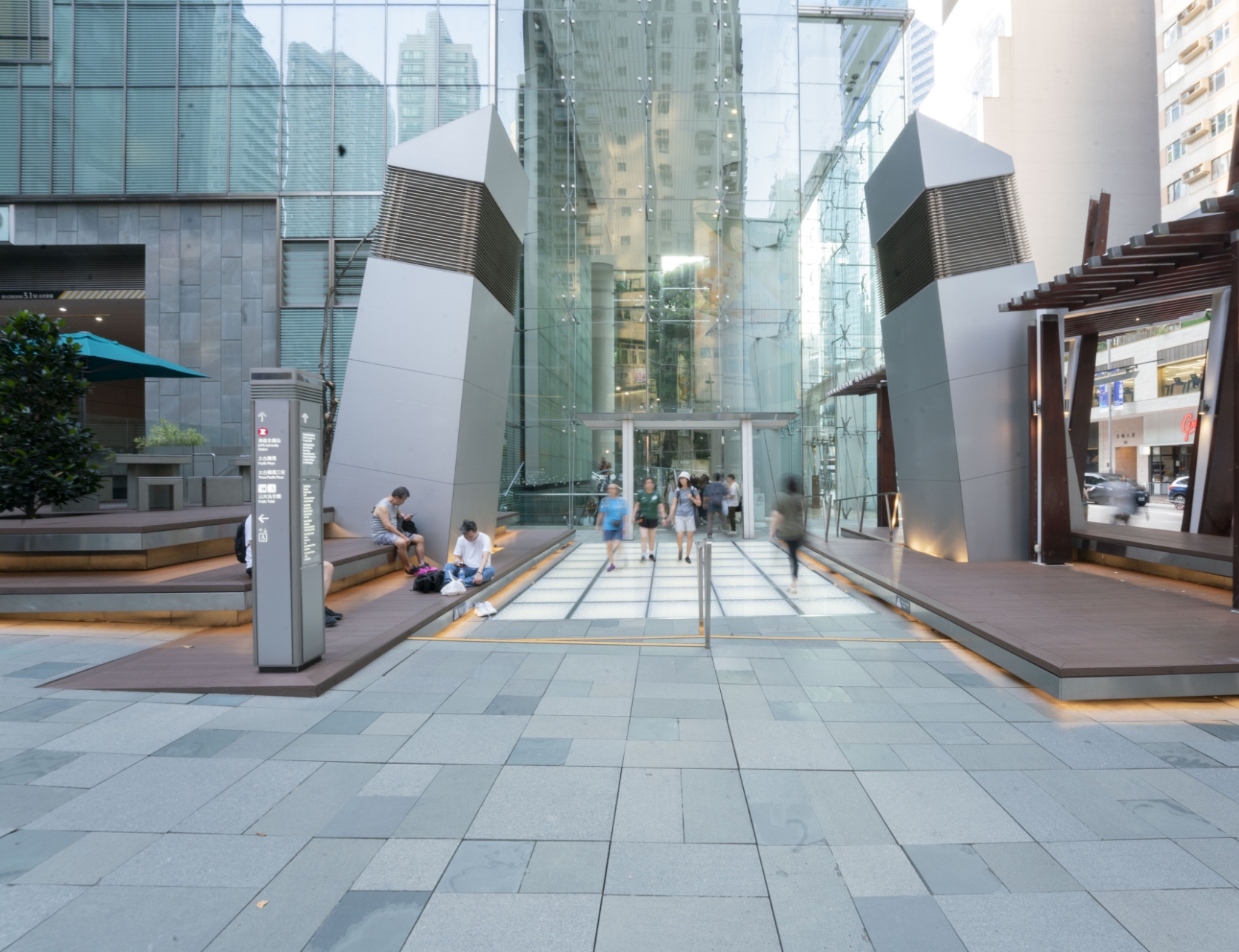
Admiralty Station
Equipped with ventilation facilities, the design of the Admiralty station entrance at Three Pacific Place is harmoniously blend with the outdoor pavilion and landscape.

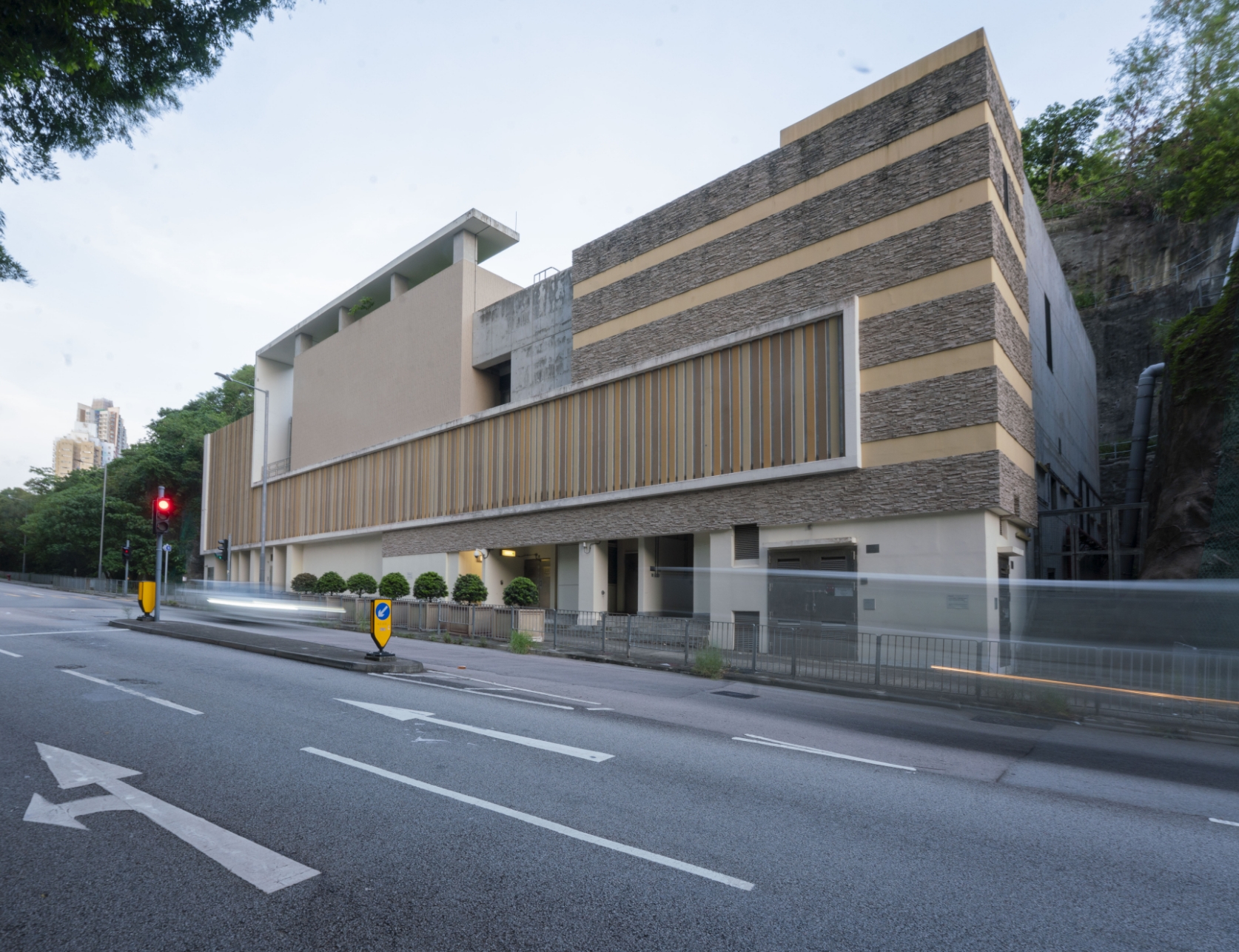
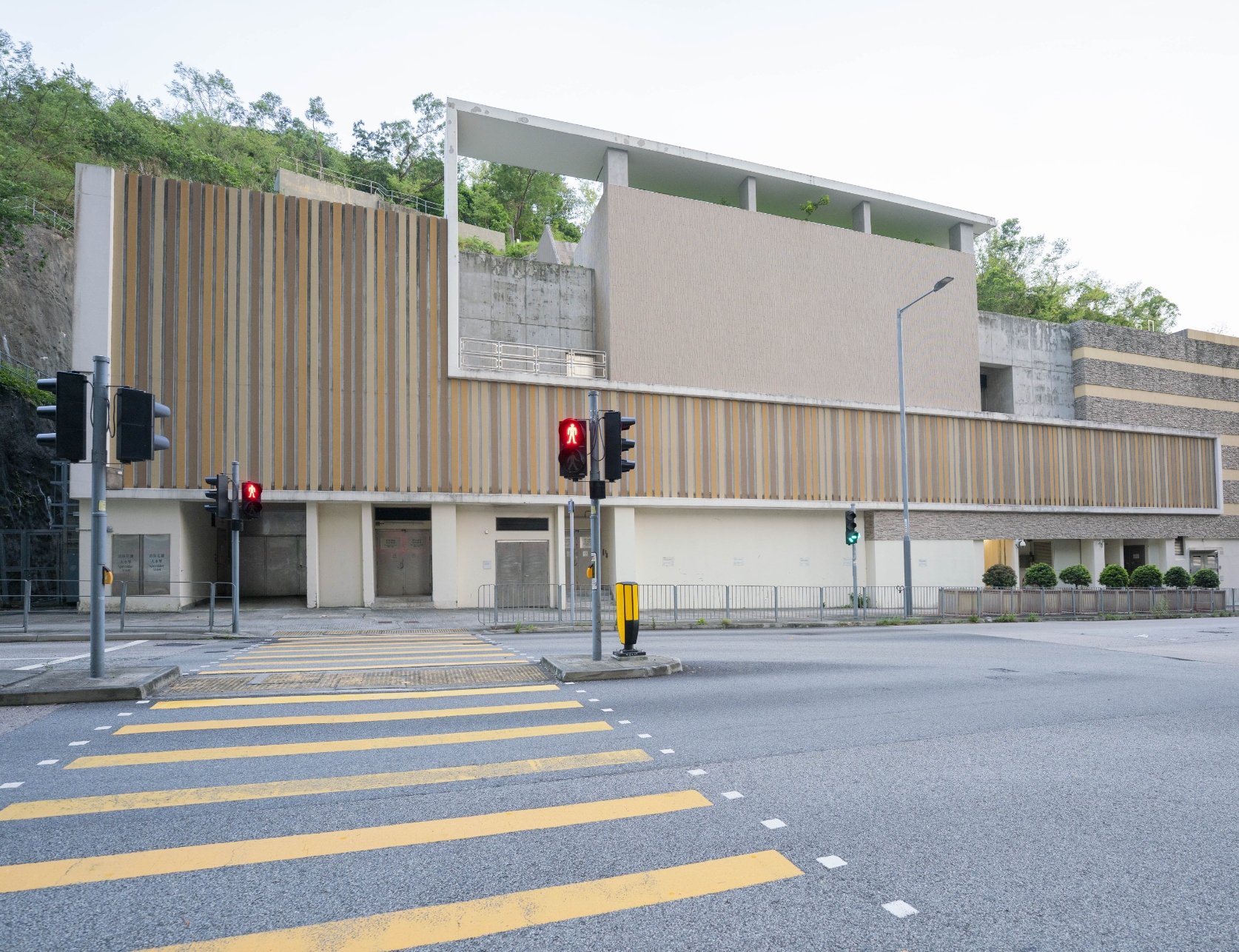
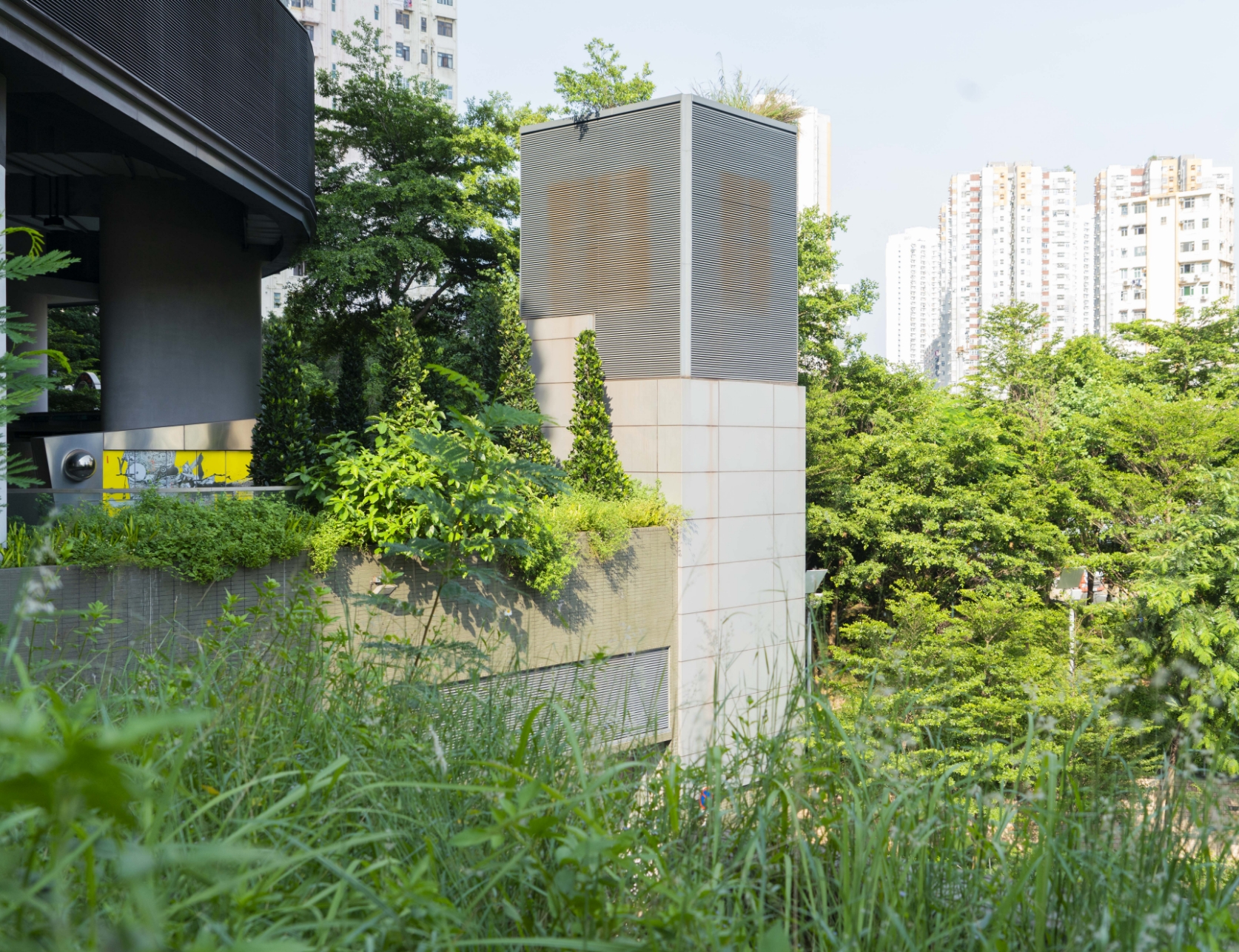
South Horizons Station
In line with the existing topography using ecological architectural design, ventilation facilities are embedded into the slope and integrated with the nature, creating a harmonious and symbiotic spatial environment.
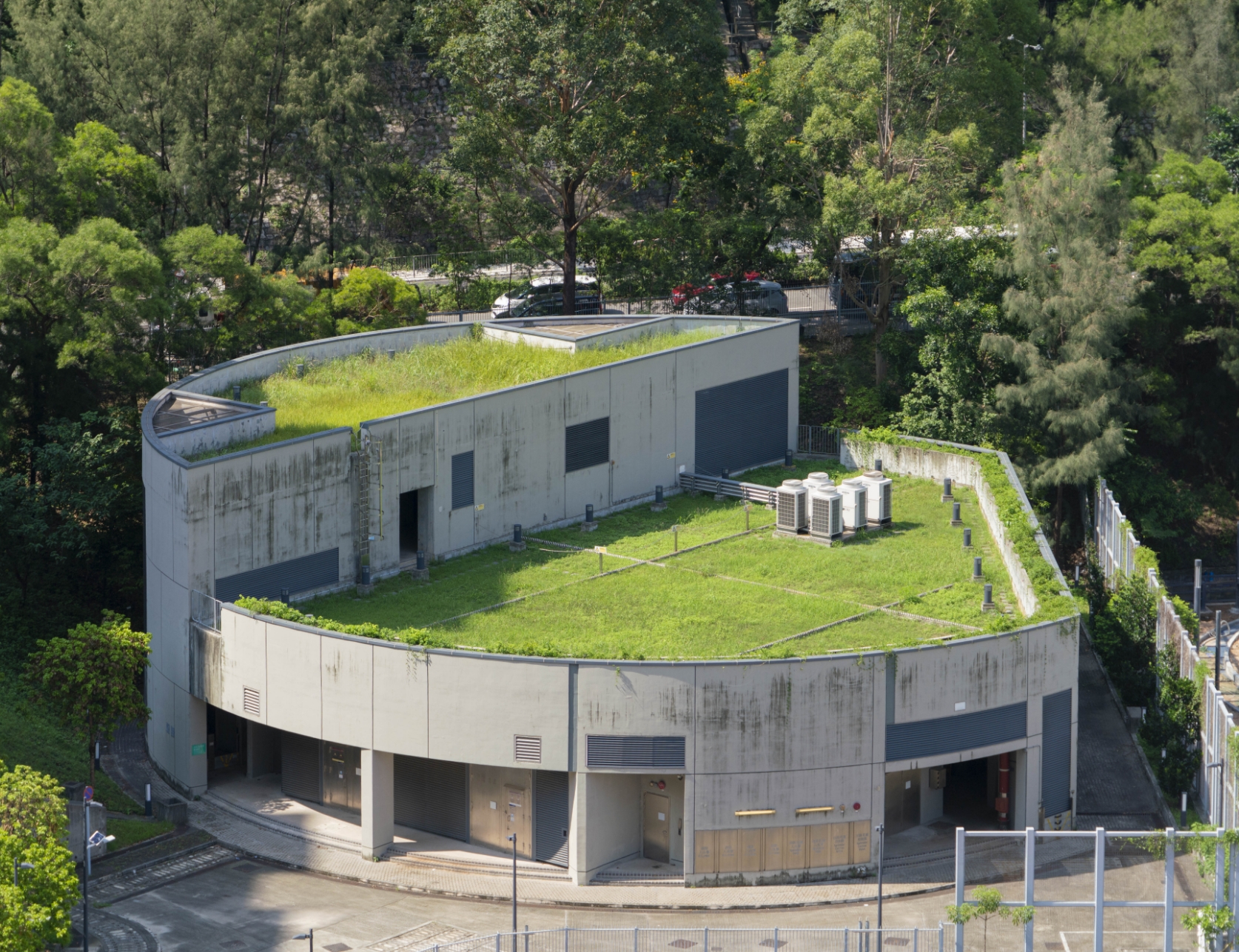
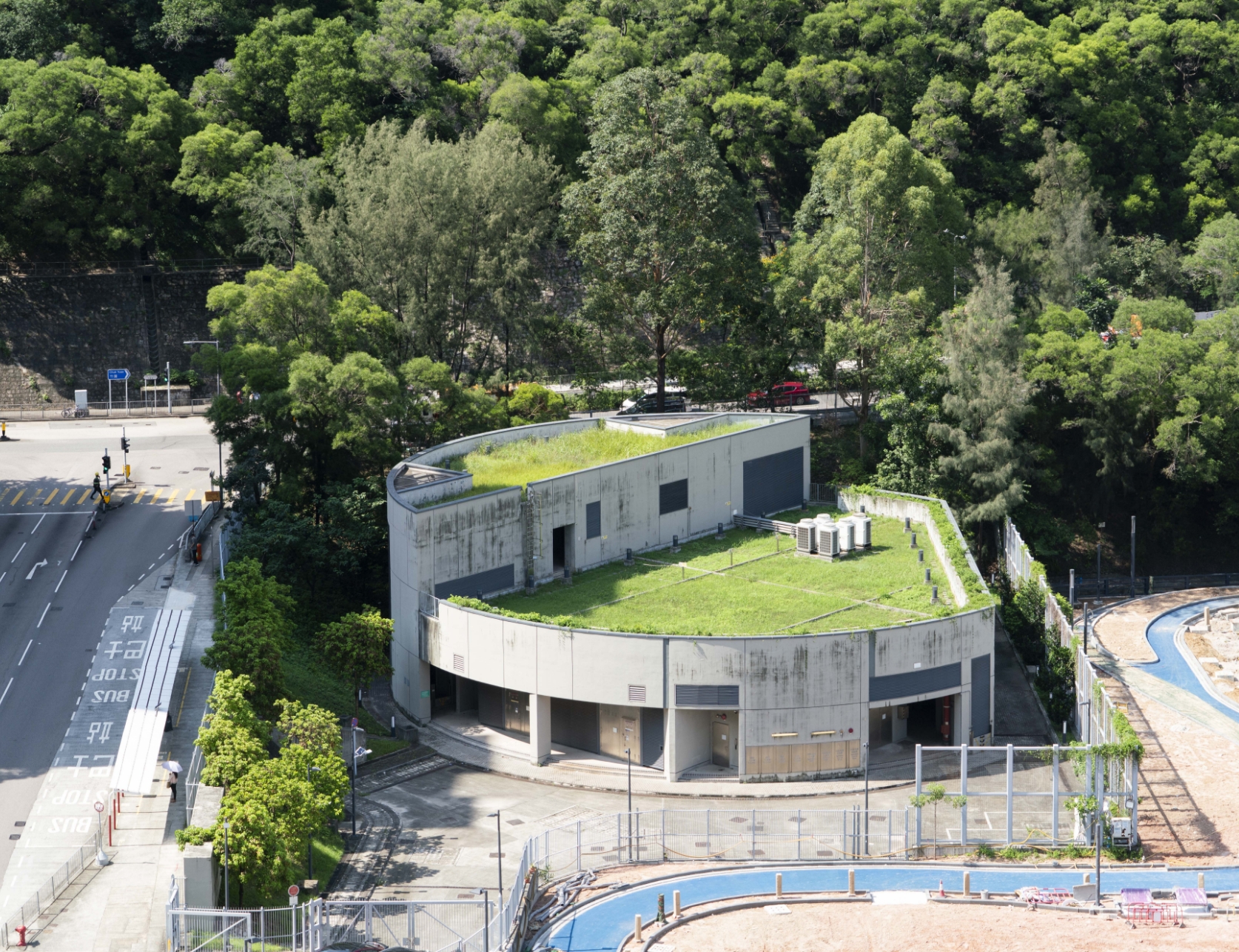
Ma Chai Hang Ventilation Building
The railway tunnel of the Tuen Ma Line from Sha Tin to Wong Tai Sin runs deep through the Lion Rock strata which is about 4km long. It is essential to provide ventilation facilities near the tunnel to ensure air circulation between the tunnel and outside environment. The green design of the ventilation building blends with the surrounding environment seamlessly.
Ho Man Tin Station
Adopting green design with the provision of public open space, the ventilation facilities connect the station entrances and exits with the ground level, seamlessly integrating with the surrounding recreational environment.


